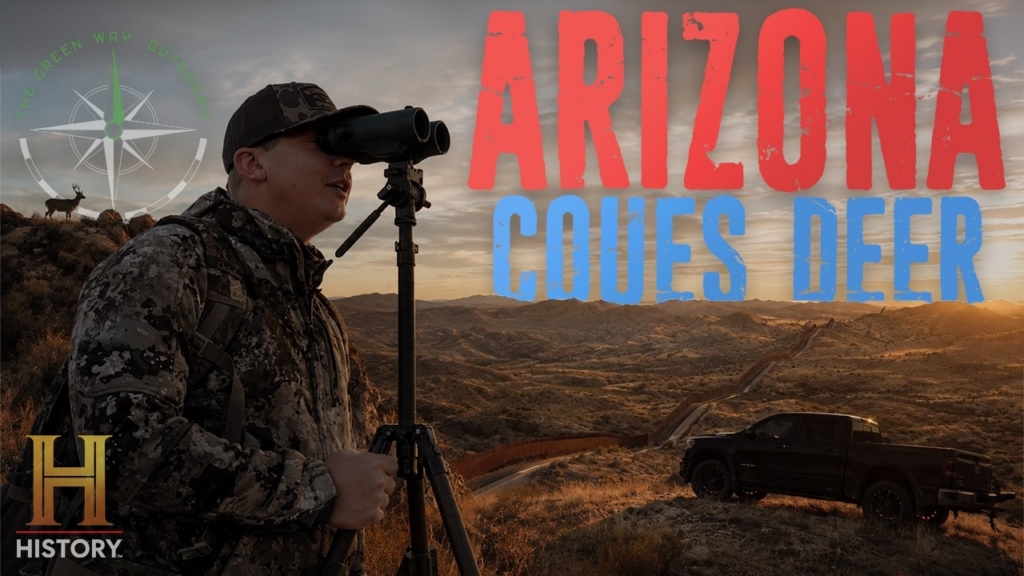

Kyle and Jeff head into the rugged mountains of southern Arizona for one of the most demanding public-land hunts of their lives. The target is the Coues Deer, a small and notoriously elusive subspecies of whitetail that seems to disappear into the desert landscape.
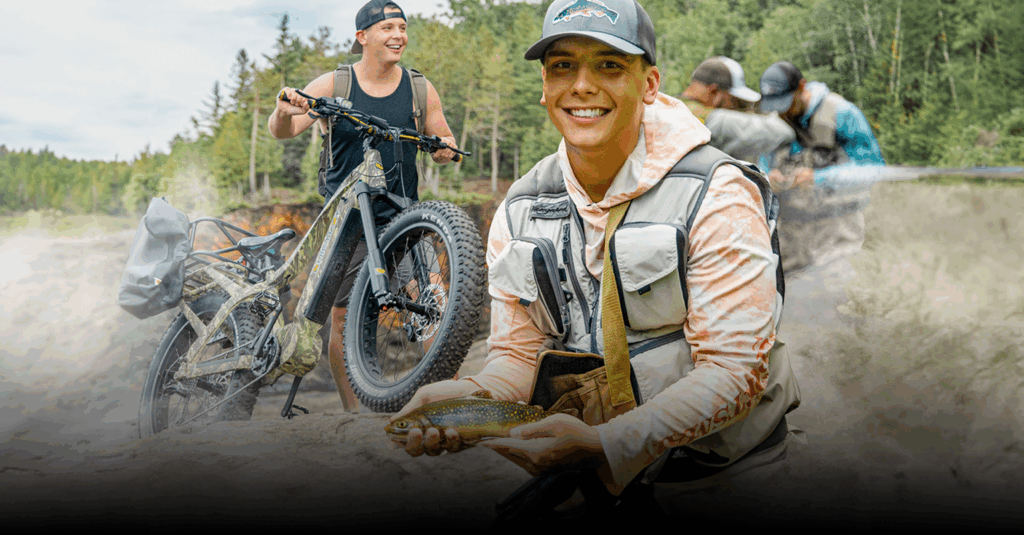
Before entering the backcountry, the team meets up with their buddies at Wilderness Athlete to prepare for the physical demands of Western hunting and learn how stabilized optics, hydration, careful route planning, and long-range ballistics can make the difference in steep, unfamiliar terrain. Unlike the close-range whitetail hunting they grew up with in Michigan, this hunt requires hours behind binoculars, difficult climbs, and the ability to locate tiny movements across entire mountainsides.
After spotting deer more than a mile away, Kyle and the team return at first light and begin closing the distance on a mature buck. The climb takes them across loose rock and punishing elevation until Kyle reaches a shooting position 580 yards from the deer. His shot misses by the narrowest of margins, but the result reinforces an important ethical principle: a clean miss is always better than a poor hit that causes an animal to suffer.
The Arizona backcountry delivers more than a difficult hunt. Near the Mexican border, the team encounters signs of human activity hidden in the washes and later spots a stranger searching through an abandoned backpack. The disruption ends their final opportunity, leaving Kyle without a filled tag but with a deeper respect for the desert, the animal, and the discipline required to hunt this country responsibly.
Back in the kitchen, Kyle and Jeff use Michigan whitetail venison to prepare tender meatballs simmered in a sweet, sour, and slightly spicy tamarind sauce with vegetables. It is a simple wild-game recipe that proves a successful meal does not always have to come from the hunt viewers just watched.
This episode is ultimately about what remains when a hunt does not end with a harvest. Kyle leaves Arizona without a Coues deer, but with greater patience, greater humility, and a renewed understanding that the most valuable thing brought home from the field is not always meat or antlers. Sometimes it is the lesson carried away from the mountain.